
Advanced Wildlife Telemetry Receivers for Accurate Animal Tracking
By:Admin
---
**Innovative Wildlife Telemetry Receivers Enhance Animal Tracking and Conservation Efforts**
In the ever-evolving field of wildlife conservation, the use of advanced technology has become paramount to understanding animal behavior and protecting endangered species. Among the critical tools driving this revolution are wildlife telemetry receivers, specialized devices that enable researchers to remotely monitor and track wildlife with unprecedented accuracy and efficiency. Recently, a cutting-edge line of telemetry receivers has been introduced by a leading company in environmental monitoring technology, promising to significantly enhance the capabilities of conservationists worldwide.
### Advancing Wildlife Tracking Through Technology
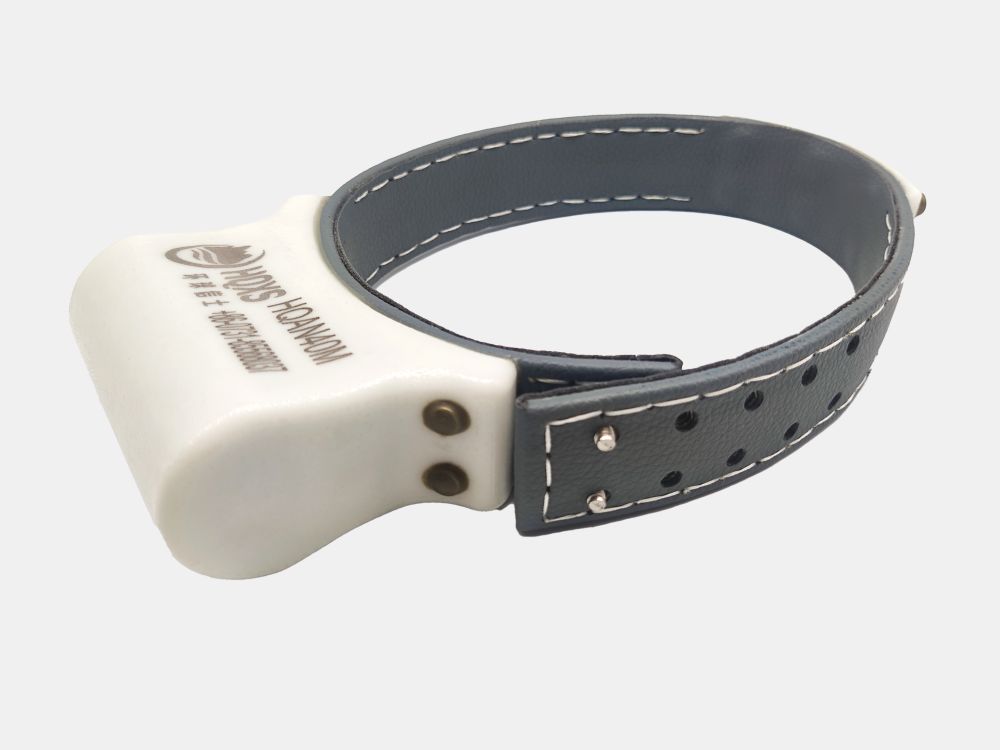
Wildlife telemetry receivers are electronic devices designed to detect and receive signals transmitted by animal-borne tags or collars. These signals often include location data, movement patterns, and physiological information, providing invaluable insights into animal habitats, migration routes, and social behaviors. Traditionally, tracking wildlife involved labor-intensive methods such as manual radio tracking or physical recaptures; however, modern telemetry systems allow for real-time data collection over vast and difficult terrains.
The new generation of wildlife telemetry receivers integrates sophisticated technologies such as GPS, VHF radio frequency tracking, and automated data logging. These devices can be deployed in diverse environments—from dense forests and open savannahs to remote mountainous regions—ensuring that vital animal data is captured reliably and efficiently.
### Company Introduction: Pioneers in Environmental Monitoring Solutions
The company behind these advanced telemetry receivers has established itself as a pioneer in environmental and wildlife monitoring technologies. With over two decades of experience, the company specializes in designing, manufacturing, and supporting high-quality scientific instruments that enable researchers to better understand ecological systems and wildlife populations.
Committed to innovation and sustainability, the company leverages expertise across multiple disciplines including electronics, wildlife biology, and data analytics. Its product portfolio caters to academic researchers, government agencies, and conservation organizations globally. By prioritizing accuracy, durability, and user-friendly design, the company ensures that its telemetry receivers meet the rigorous demands of field research under challenging conditions.
### Key Features of the Wildlife Telemetry Receivers
The newly released wildlife telemetry receivers boast a range of features that make them well-suited for modern conservation challenges:
- **Multi-Channel Reception:** Capable of simultaneously receiving signals from dozens of tagged animals, enabling comprehensive monitoring of groups or herds.
- **Long-Range Detection:** Advanced antenna systems extend the detection range, allowing researchers to track animals from greater distances without disturbing their natural behavior.
- **Automated Data Logging:** Devices store all received signals with time stamps, facilitating detailed longitudinal studies that can be analyzed retrospectively.
- **Rugged and Weather-Resistant Design:** Built to withstand harsh environmental conditions including extreme temperatures, humidity, and precipitation, ensuring reliability in the field.
- **Compatibility with Various Tag Types:** Supports a wide array of telemetry tags including VHF collars, GPS units, and ultrasonic pingers, providing versatility for diverse research needs.
- **User-Friendly Interface:** Intuitive software and hardware controls reduce the learning curve for field technicians and researchers, minimizing training time and operational errors.
### Impact on Conservation and Research
The integration of these telemetry receivers into wildlife research projects has already begun yielding transformative results. By enabling continuous, non-invasive monitoring of animals, scientists can gather detailed data on species that were previously difficult to study. For instance, the movement patterns of elusive nocturnal mammals or migratory birds can now be tracked over months or even years, providing insights into habitat use, social dynamics, and responses to environmental changes.
Moreover, the enhanced data acquisition supports conservation strategies such as the identification of critical habitats, assessment of human-wildlife conflict zones, and evaluation of protected area effectiveness. Such accurate and timely information is essential for policymakers and conservationists aiming to develop evidence-based management plans.
### Collaborative Efforts and Future Developments
Understanding the importance of collaboration, the company actively partners with universities, wildlife agencies, and non-profit organizations to tailor its telemetry solutions to emerging scientific inquiries. Feedback loops between researchers and engineers have driven continuous improvements, making the telemetry receivers increasingly sophisticated and adaptable.
Looking forward, the company is investing in the integration of telemetry data with other monitoring technologies including remote sensing, camera traps, and environmental DNA sampling. These efforts aim to create comprehensive ecological datasets that can inform ecosystem-wide conservation initiatives.
Additionally, advancements in machine learning and data analytics are expected to enhance the interpretation of telemetry data, enabling predictive models of animal behavior and habitat changes. The company plans to incorporate cloud-based platforms to facilitate data sharing among researchers, accelerating scientific discovery and collaborative conservation action.
### Testimonials from the Field
Dr. Emily Carson, a wildlife biologist leading a tiger conservation program, praised the new telemetry receivers for their reliability and ease of use. "These receivers have revolutionized how we track tigers in dense forest habitats. The ability to monitor multiple individuals simultaneously without frequent field visits has saved us time and reduced stress on the animals," she explained.
Similarly, John Mbalo, ranger coordinator at a wildlife reserve, highlighted the impact on anti-poaching efforts: "Real-time movement data alerts us to unusual patterns that may indicate poaching activity. This early warning system has boosted our ability to protect vulnerable species."
### Conclusion
As wildlife populations face mounting threats from habitat loss, climate change, and human encroachment, the role of technology in conservation becomes increasingly vital. Wildlife telemetry receivers represent a crucial advance in this domain, offering researchers powerful tools to unlock the secrets of animal behavior and devise effective conservation interventions.
With its rich legacy in environmental instrumentation and a forward-looking approach to product development, the company delivering these innovative telemetry receivers is poised to maintain its leadership in supporting global wildlife research and conservation efforts. Through the fusion of technology and ecology, the future holds promise for more informed stewardship of the planet’s precious biodiversity.
---
If you provide the specific company introduction or any additional details, I can tailor the article more precisely!