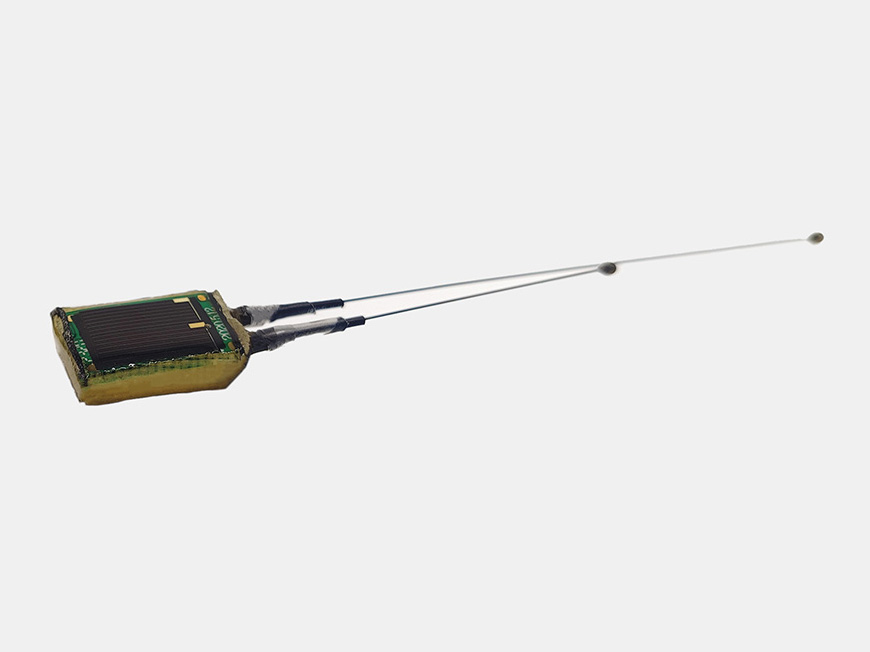
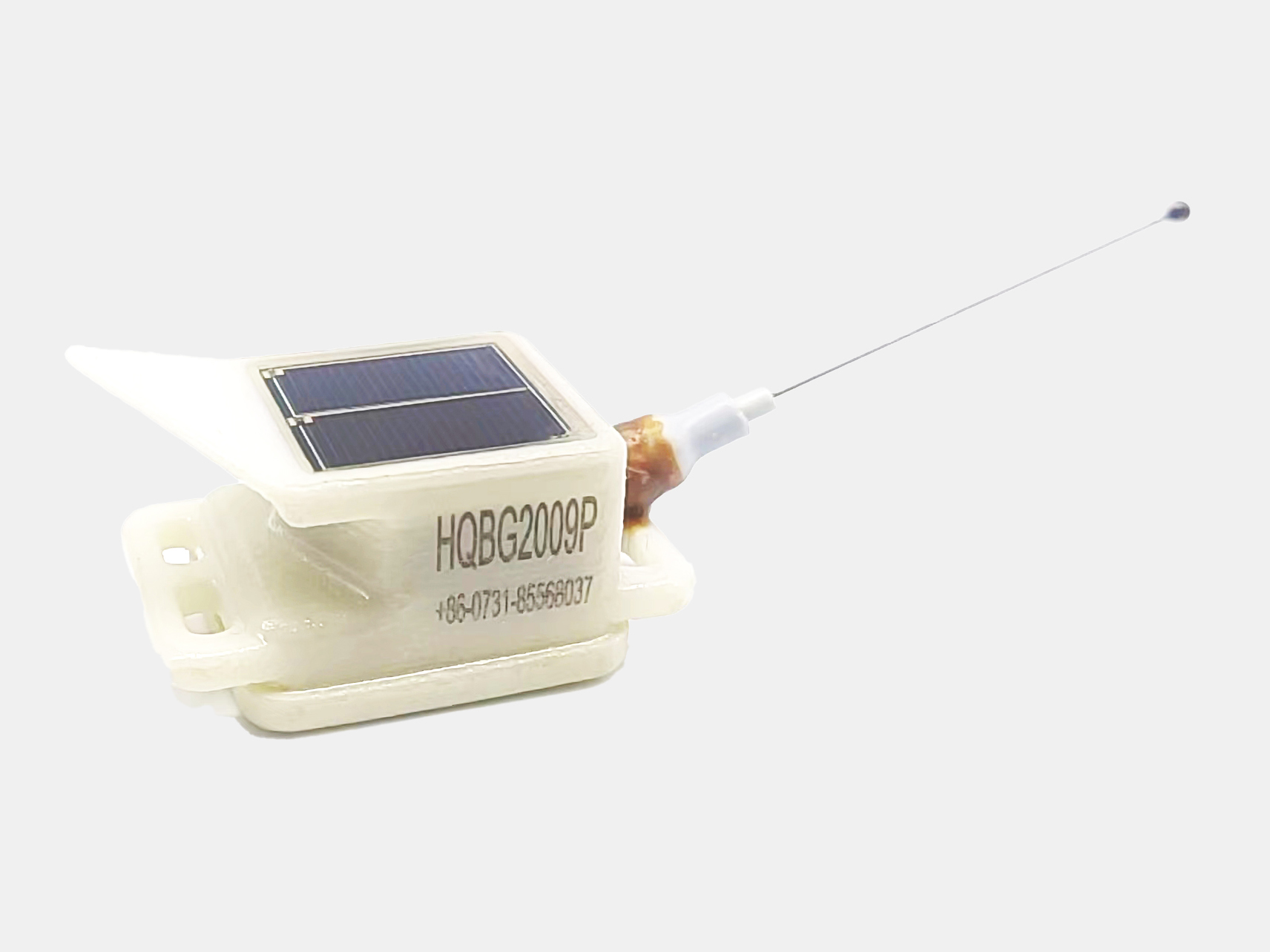
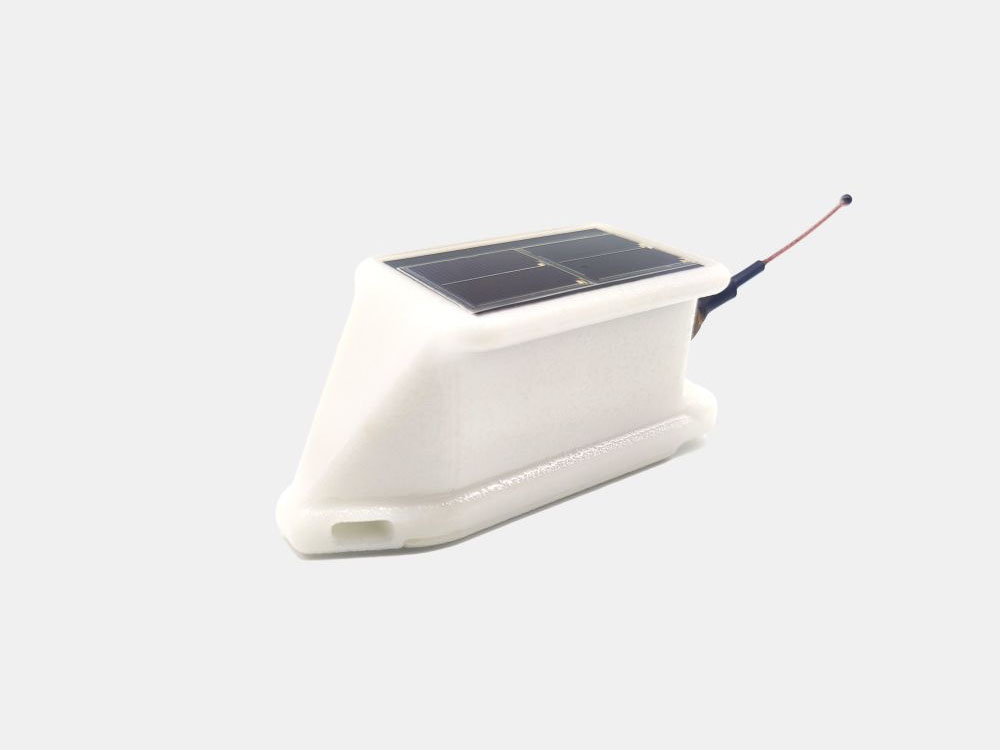
Wildlife conservation efforts have received a significant boost with the introduction of a new, state-of-the-art wildlife tracker system. Developed by a leading technology company, this innovative tracker aims to revolutionize the way wildlife is monitored and protected.The wildlife tracker utilizes cutting-edge technology to provide real-time data on the movements and behaviors of various animal species. Equipped with GPS and satellite capabilities, the tracker can pinpoint the exact location of an animal at any given time, allowing researchers and conservationists to monitor their movements and study their behavior patterns. This information is crucial for understanding the habitat needs of wildlife and developing effective conservation strategies.In addition to tracking the movements of individual animals, the system also has the ability to monitor entire populations, providing valuable insights into population dynamics and trends. This data is essential for wildlife management and conservation planning, allowing researchers to identify areas of concern and implement targeted interventions to protect vulnerable species.Furthermore, the tracker is designed to be non-invasive, minimizing any potential disturbance to the animals being monitored. With its streamlined design and lightweight construction, the tracker can be easily attached to the animals without causing any harm or discomfort. This ensures that the data collected is both accurate and ethical, adhering to the highest standards of wildlife research and conservation.One of the key features of the wildlife tracker is its long battery life, allowing for continuous monitoring of animals over extended periods of time. This is particularly valuable for species that migrate long distances or live in remote areas, where regular battery replacement or recharging may not be feasible. With the ability to operate for months or even years without intervention, the tracker provides an unprecedented level of insight into the lives of wild animals.In addition to its use in research and conservation, the wildlife tracker also has the potential to aid in the prevention of wildlife crime. By monitoring the movements of endangered species, the tracker can help identify and track illegal activities such as poaching and smuggling. This information can then be used to guide law enforcement efforts and protect vulnerable wildlife populations from exploitation.The company behind the development of the wildlife tracker has a strong track record in the field of conservation technology. With a team of experts in wildlife biology, engineering, and data analysis, the company has a deep understanding of the challenges and opportunities in the conservation space. Their commitment to innovation and sustainability is evident in their products, which are designed to have a minimal impact on the environment while providing maximum benefit to conservation efforts.In addition to their technical expertise, the company also has a strong commitment to collaboration and partnership in the conservation community. By working closely with researchers, conservation organizations, and government agencies, they seek to ensure that their products are tailored to the specific needs of the wildlife conservation community. This collaborative approach has led to the development of a range of tools and technologies that are widely used in wildlife research and management around the world.Overall, the introduction of this new wildlife tracker represents a significant step forward in the field of wildlife conservation. By providing accurate, real-time data on the movements and behaviors of animals, the tracker has the potential to revolutionize the way we understand and protect wildlife. With its non-invasive design, long battery life, and potential for mitigating wildlife crime, the tracker is a valuable tool for researchers, conservationists, and law enforcement alike. As we strive to protect our planet's biodiversity, innovative technologies like this are crucial for ensuring a sustainable future for wildlife.
Read More